De macht van vanzelfsprekendheid
“We leven in een tijd van oneliners en eendimensionale verhalen waarmee politici en anderen de complexiteit van de wereld en het leven behapbaar denken te maken.”
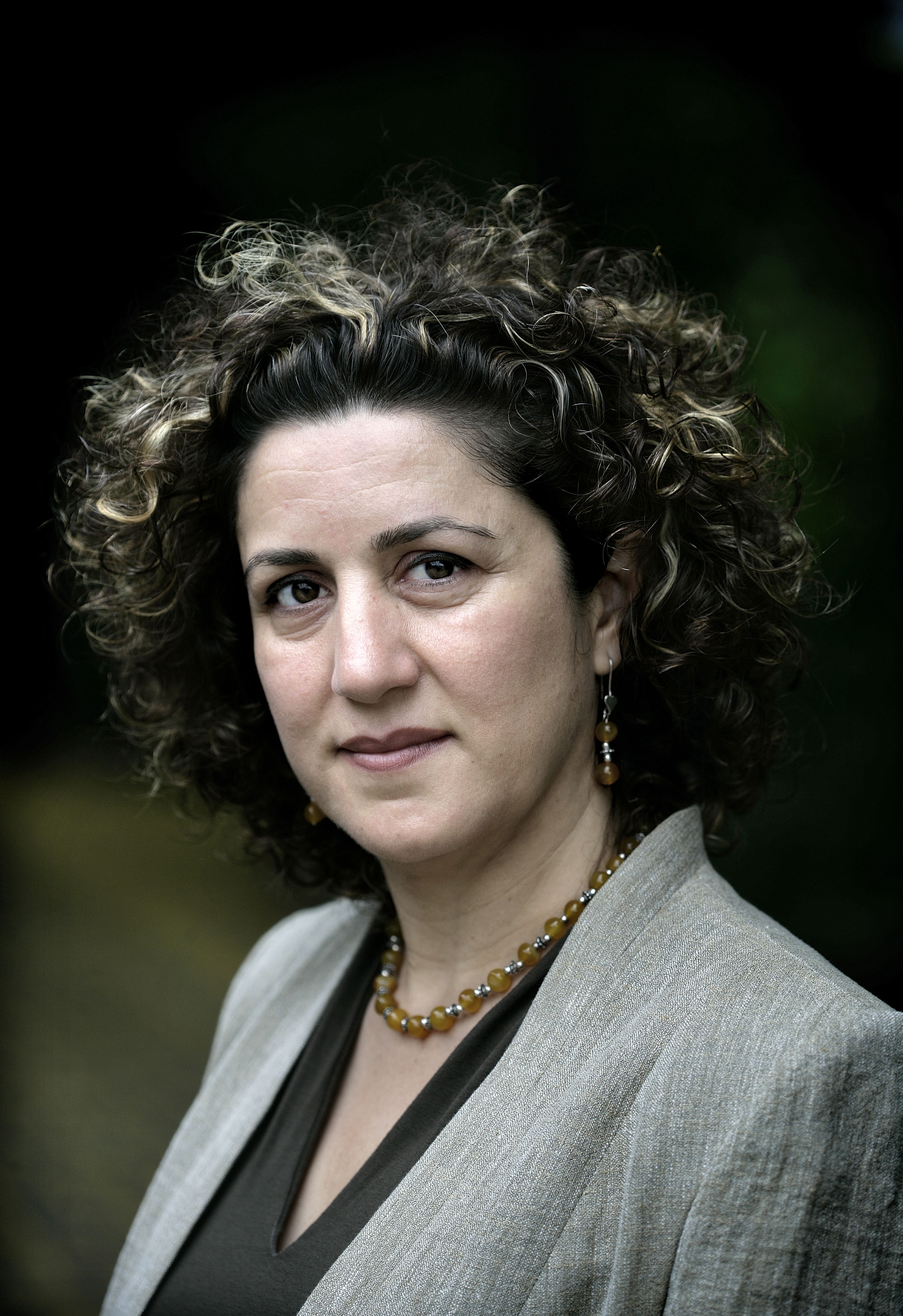
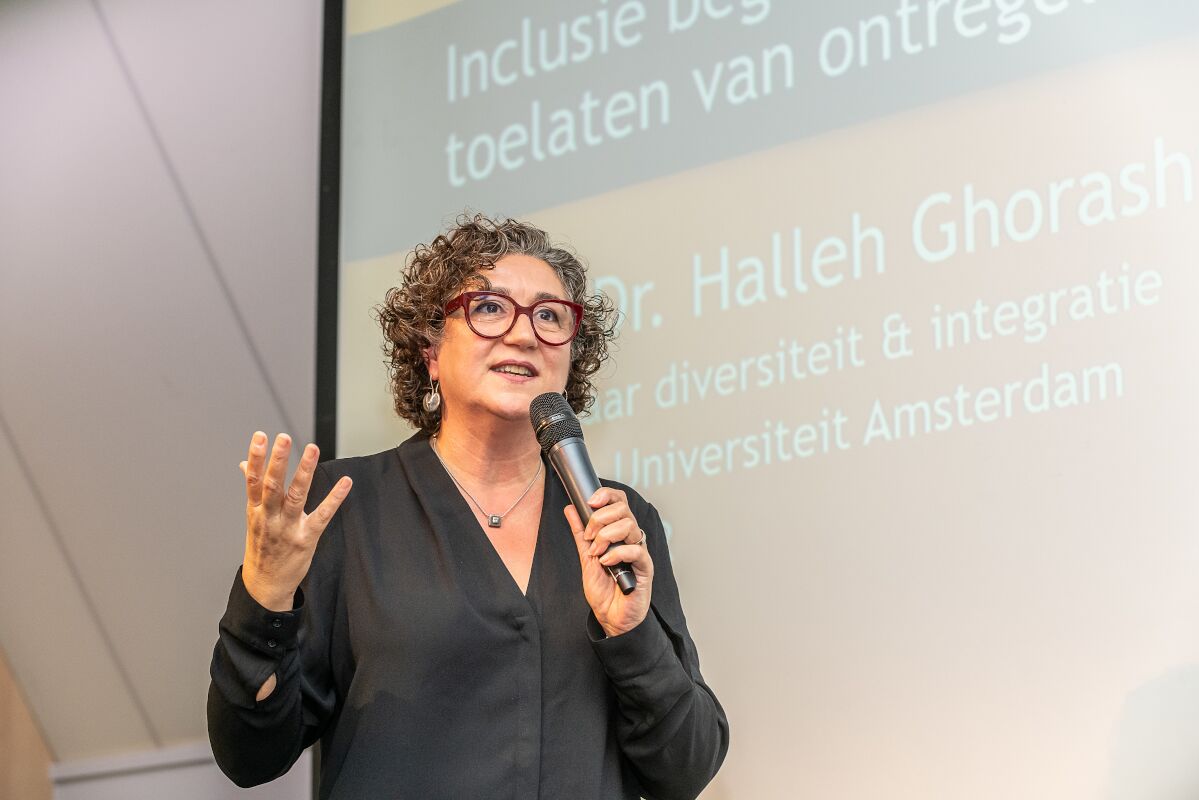
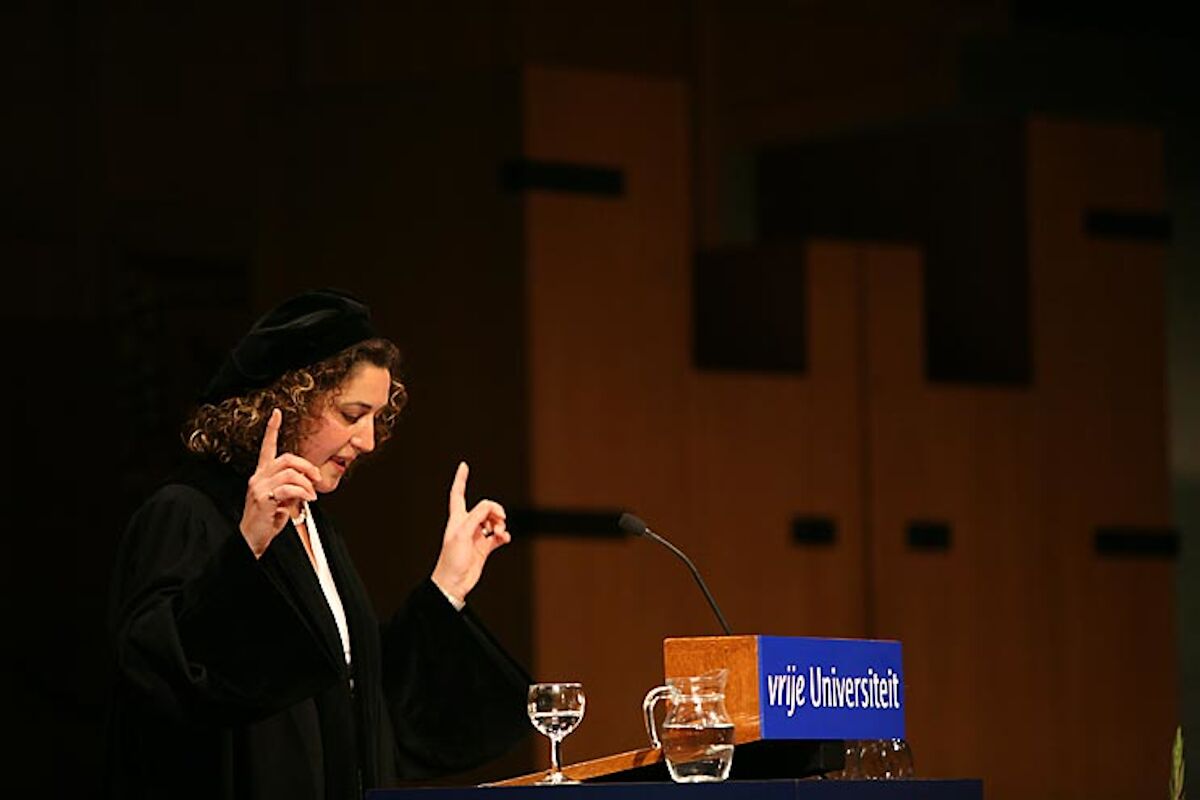
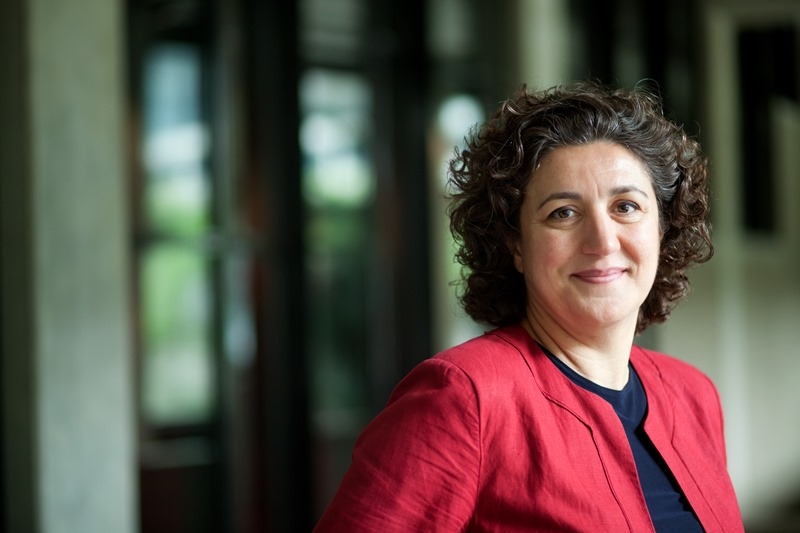
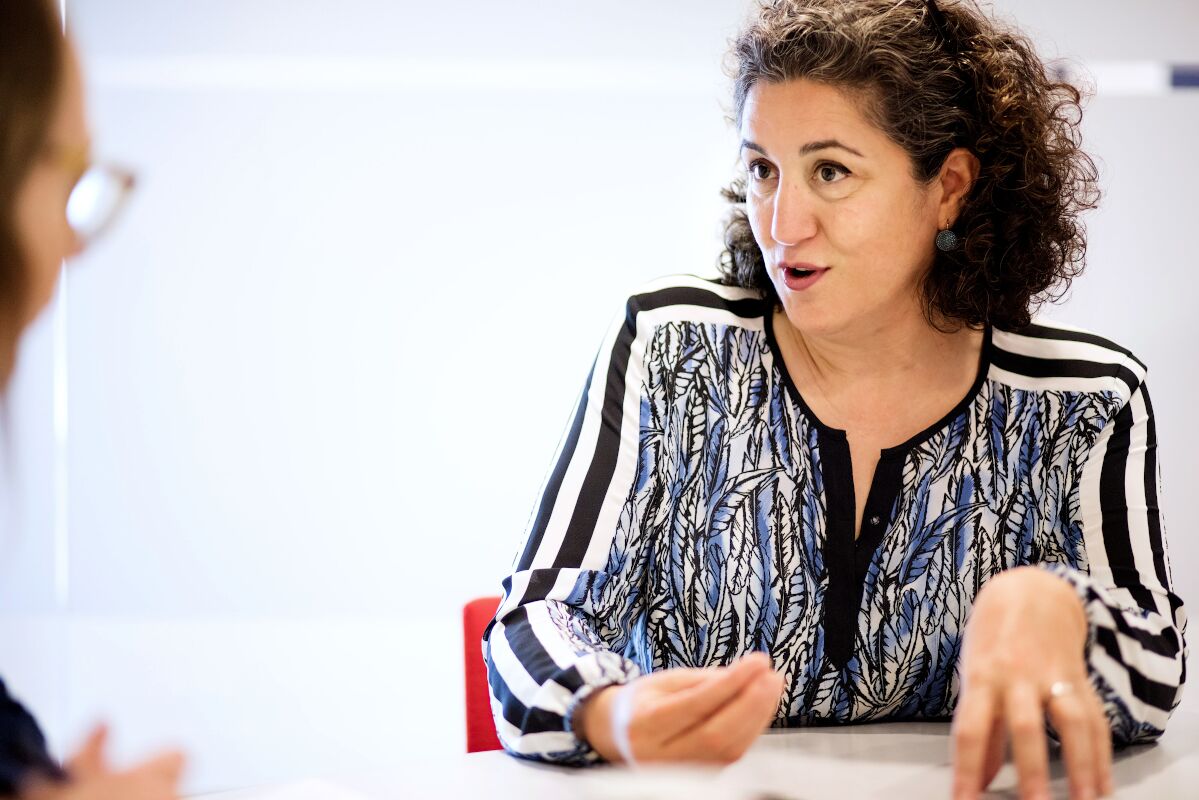
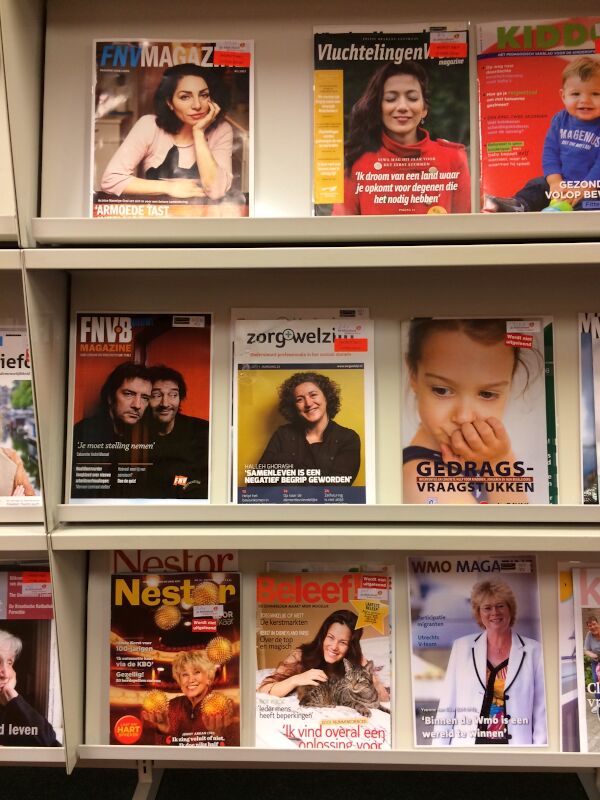
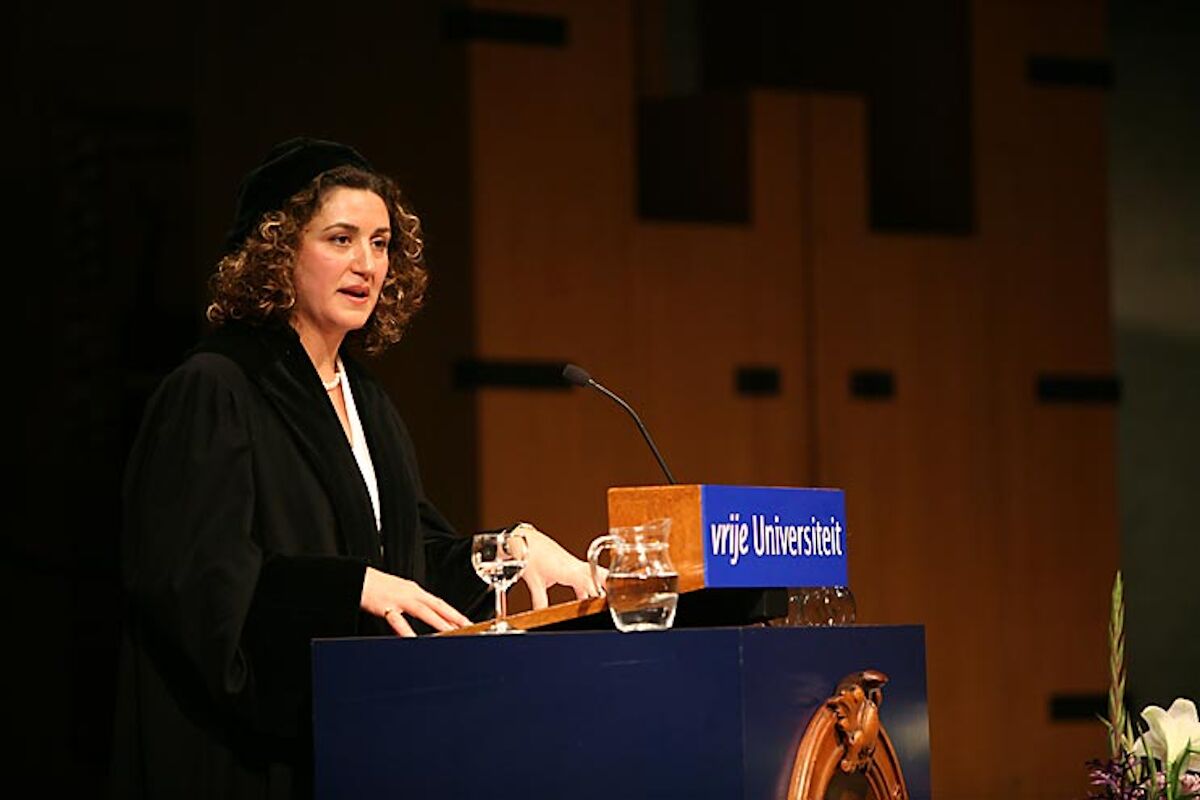
Aldus hoogleraar Diversiteit en Integratie aan de Vrije Universiteit Halleh Ghorashi. Over onszelf en de anderen. Door Willemien Veldmankmarsman
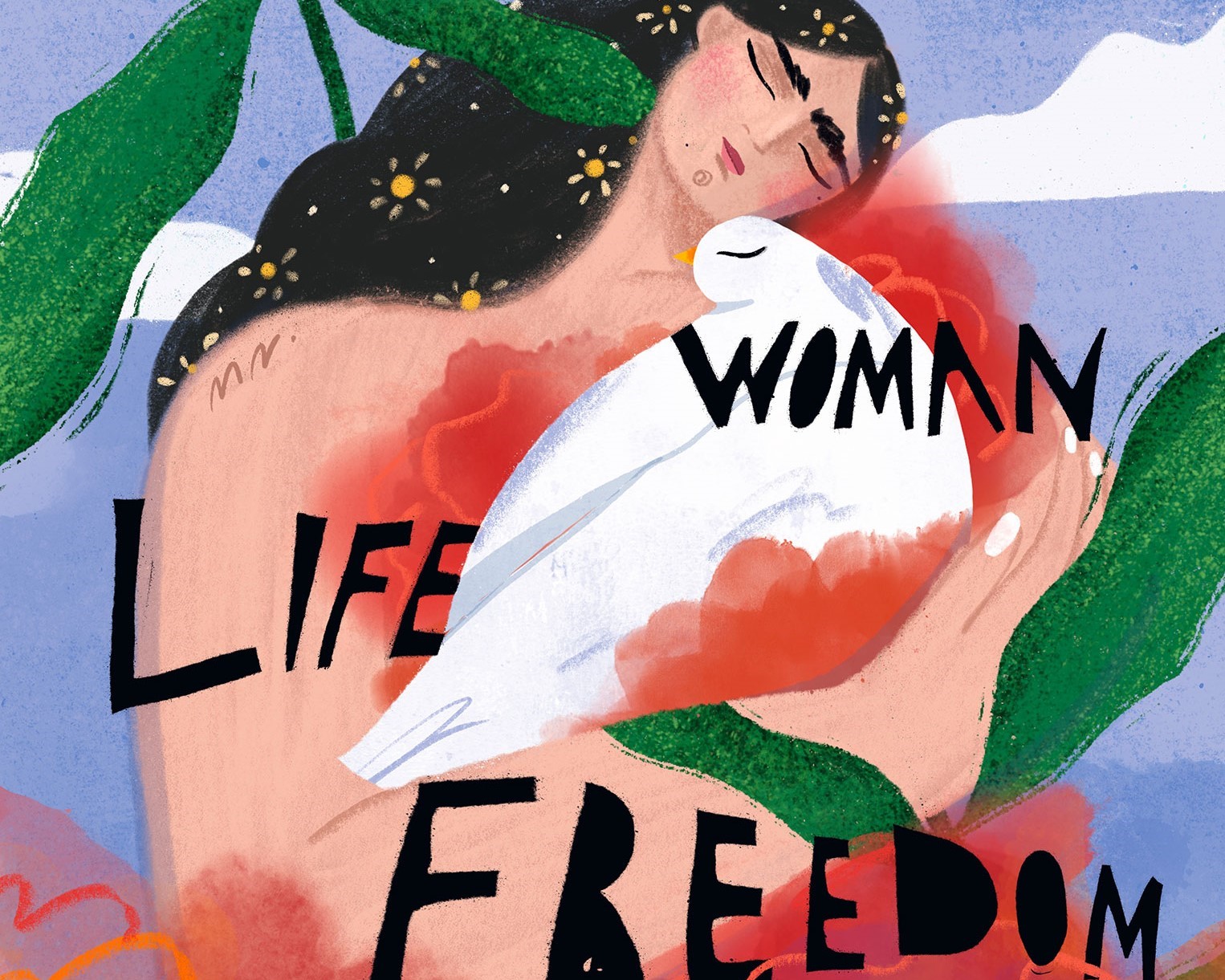
The performative power of “Women life freedom”
Women’s rights activists protesting for a democratic Iran counteract armed police on the streets with non-hierarchical leadership, a rhizomatic network, transnationality and flash mobs.
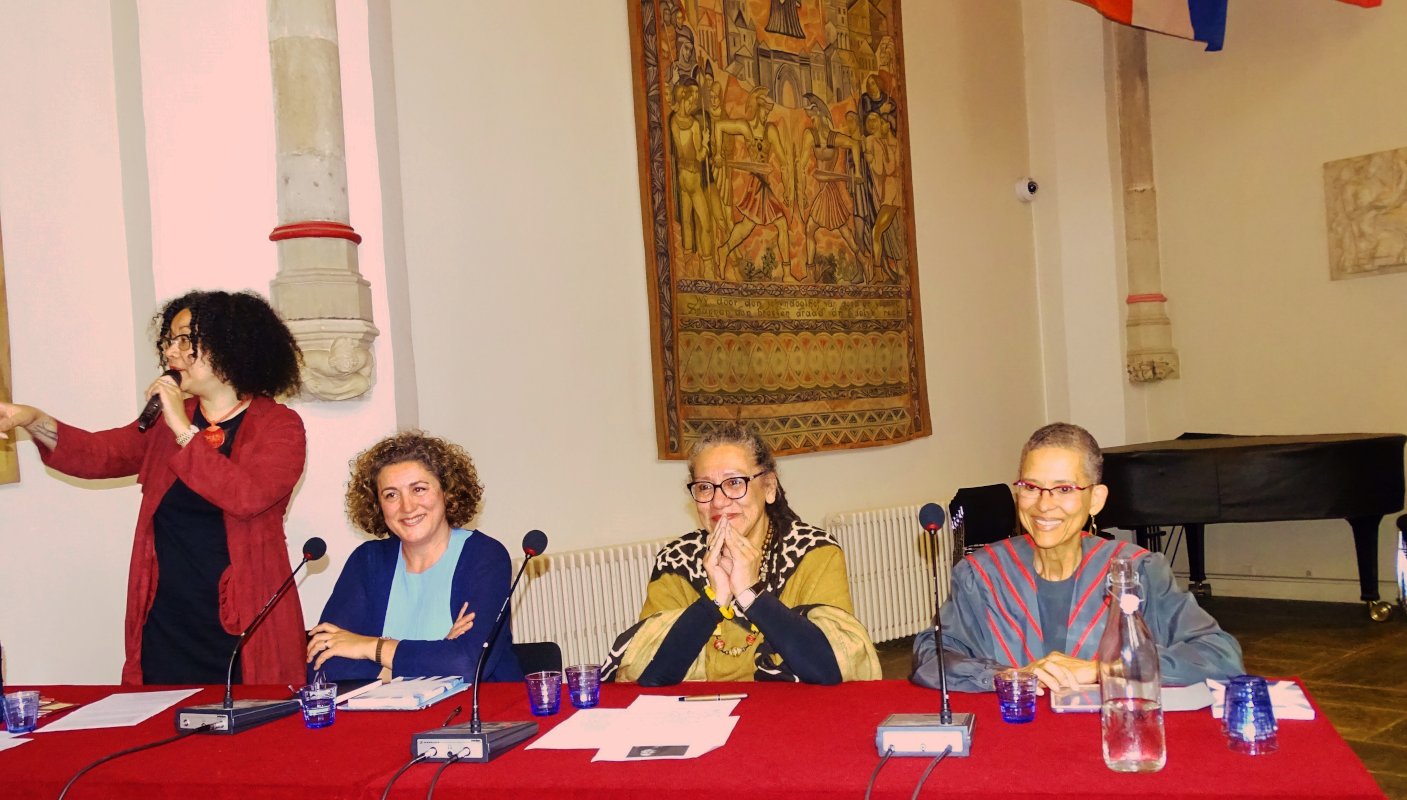
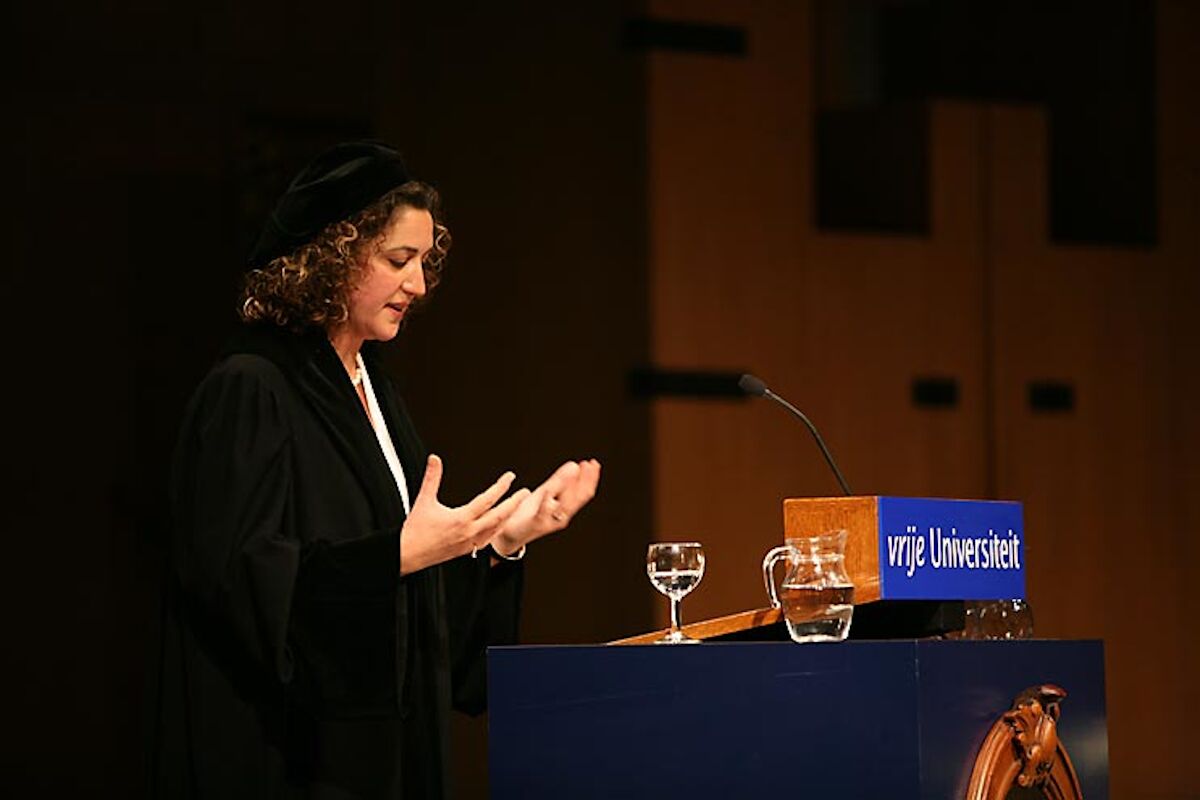
Lecture for the Exhibition From Evin with Love on the 14th of October 2022.
The timing of the exhibition Evin with Love1 at ISS fits in so well with what is going on in Iran at this moment. The outrage and bravery in Iran currently is distinctive in many ways:
1) Many call the movement a feminist movement, led by women who do not accept the deep humiliation inflicted on them by the Islamic Republic anymore;
In Iran volgen mannen nu de vrouwen - Een interview met Halleh Ghorashi
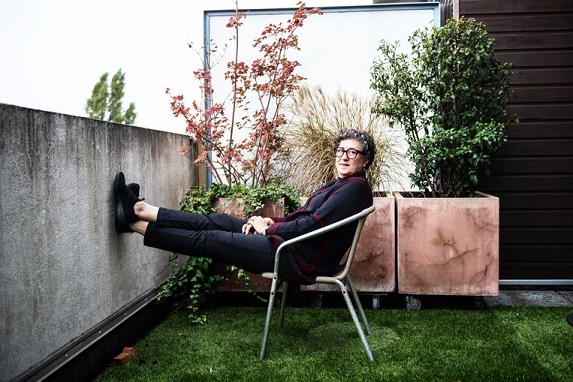
De Iraans-Nederlandse hoogleraar Halleh Ghorashi (1962) constateert dat er een revolutie gaande is in Iran. ‘Aan de ene kant zijn er de gewapende mannen, aan de andere kant zijn er de meisjes met achter hen de jongens die vechten voor hun vrijheid. Hun enige wapen is solidariteit van de wereld.’